Preparation
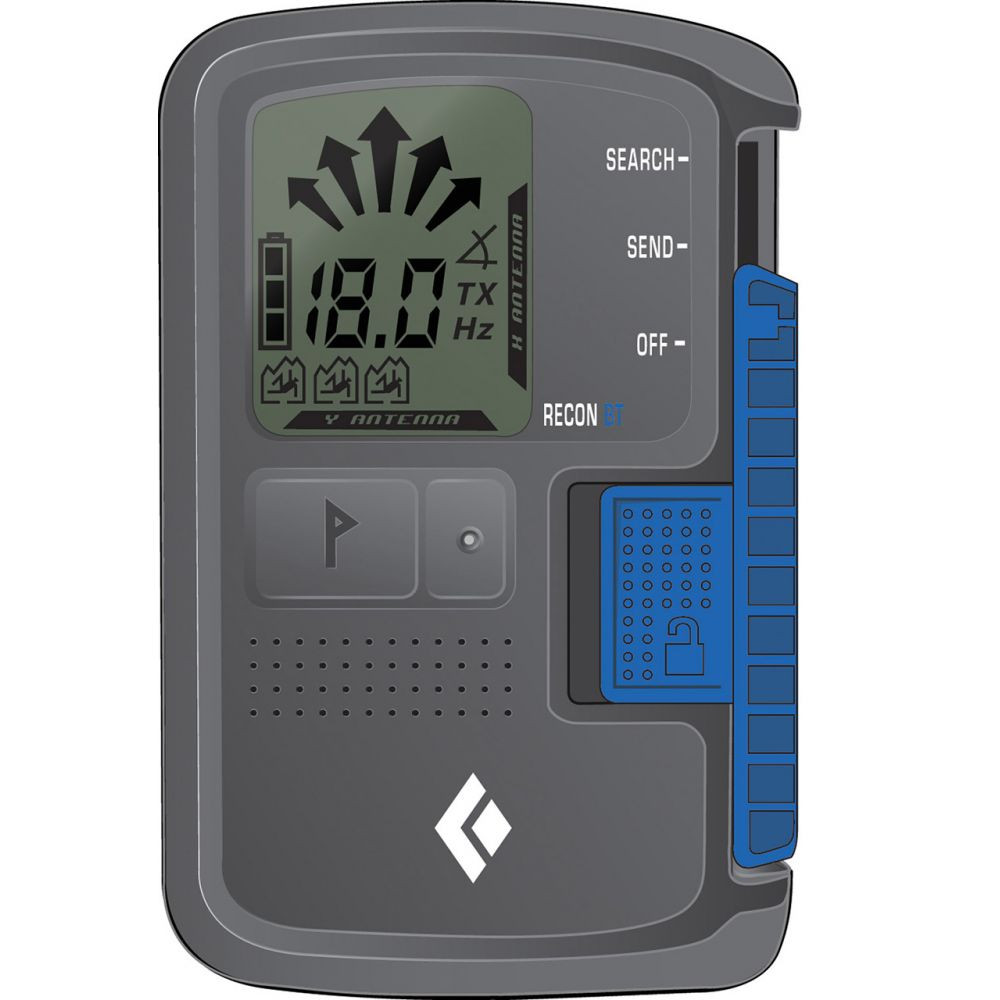
Even if you choose a high-end product, sufficient training and practical application are required. The importance of knowing how to use a rescue beacon is highlighted in the preceding article. Backcountry aficionados and avalanche pros can identify numerous beacons in under six minutes, whereas a newbie can easily take 25 minutes or more.
While the typical rescue time is debatable, it is estimated that it takes roughly 20 minutes from the time the person is caught in the slide to the time the victim's airway is exposed on the surface. But would it not be nice if you and your friends were on the speedier part of that estimate?
We advise getting an avalanche course recommended by the American Institute for Avalanche Research and Education (AIARE), the American Avalanche Institute (AAI), or the American Avalanche Association (AAA).
Information
Avalanches claim the lives of 36 people in North America each year, and 185 people globally. Across North America, trauma is the cause for one-third of these deaths, while asphyxiation causes the other two-thirds.
How To Wear An Avalanche Beacon
Your avalanche beacon should be worn in two places. The first is hidden inside your beacon's harness, where it is not visible to the outside world; this place it in the most important "target area" on your body and protects it from impact. The beacon must be worn under at least one layer of clothing while in its harness, if not the chances of it being pulled off your body are too great.
It is not acceptable to leave the beacon uncovered, regardless of how hot it is or how cool you believe it makes you appear. Another option is to keep it in a zippered jeans pocket. An internal, zipped sewn-in pocket for the pants is required.
American Avalanche Association's website.
The Dos and Don’ts
Keep your mobile phone, radio, GoPro, or any other signal-generating equipment at least 30 centimeters away from your avalanche beacon. In the previous three years, at least two high-profile deaths have occurred as a result of a cell phone interfering with the wearer's beacon. At least one of these phones was switched off. Heated gloves and boots have also been reported to cause interference as well.
Our Thoughts
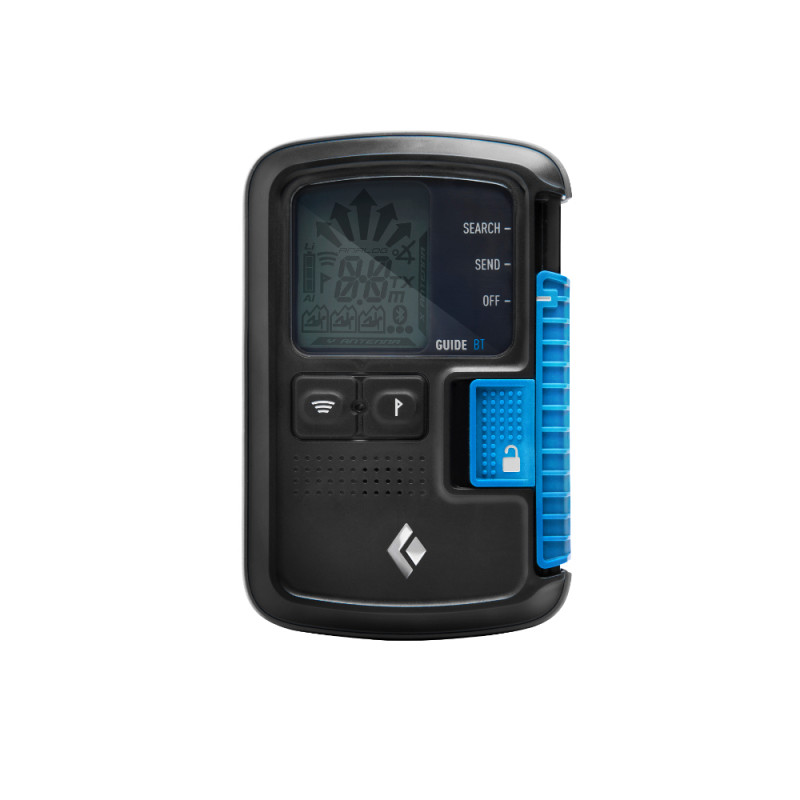
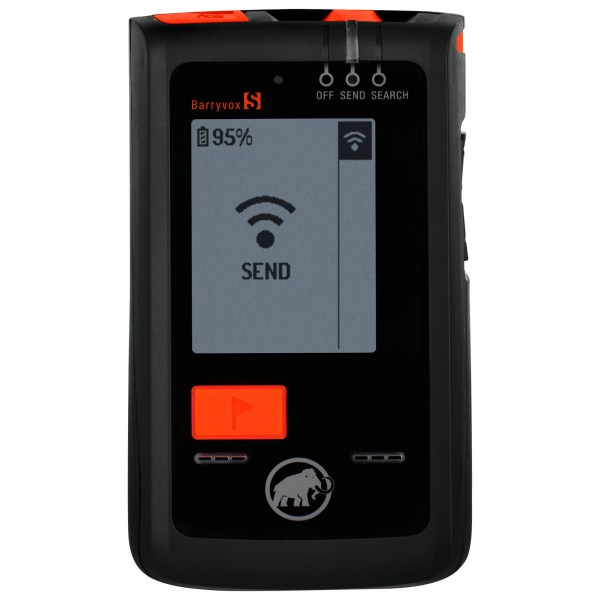
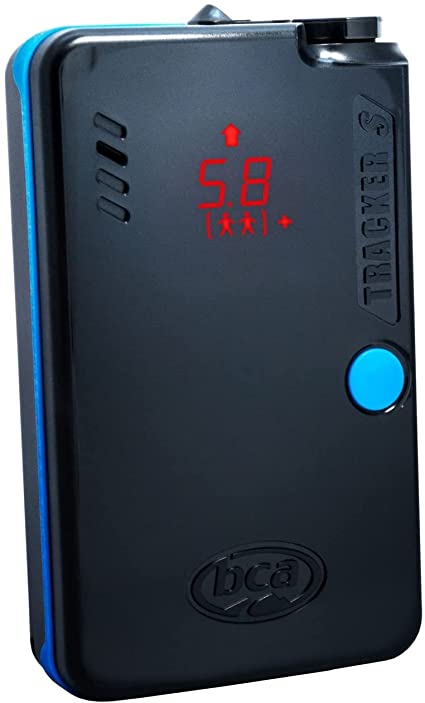
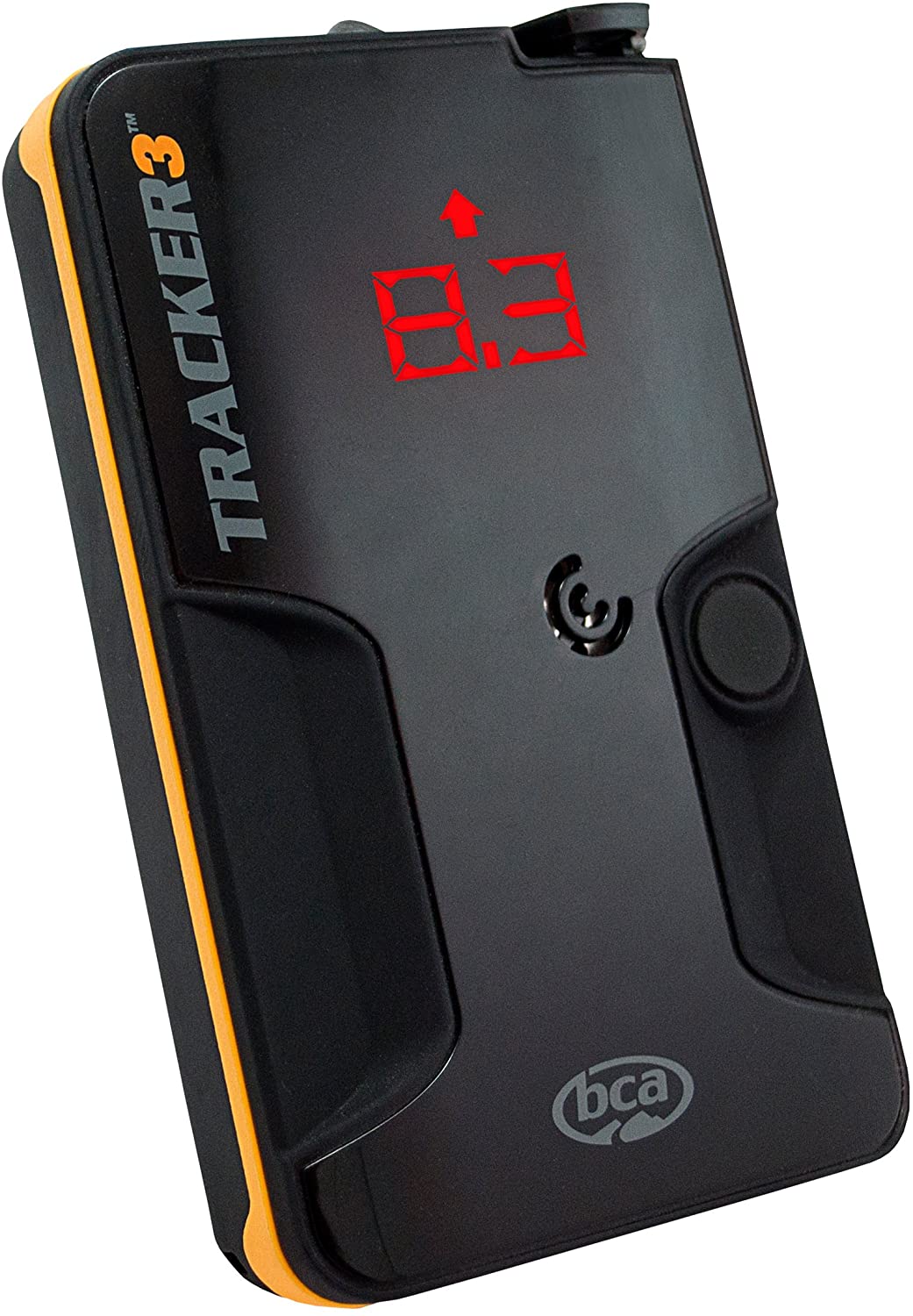
This list will allow you to understand the distinctions between the various avalanche beacons currently available. The brands in this review will increase safety in case you or someone close to you is caught in an avalanche and buried.
When it is about safety, making a decision can be challenging. Keep in mind that you're buying this beacon for your companions, friends, and backcountry partners, not for yourself. With so many methods to save money, an avalanche beacon is not where you should cut corners.